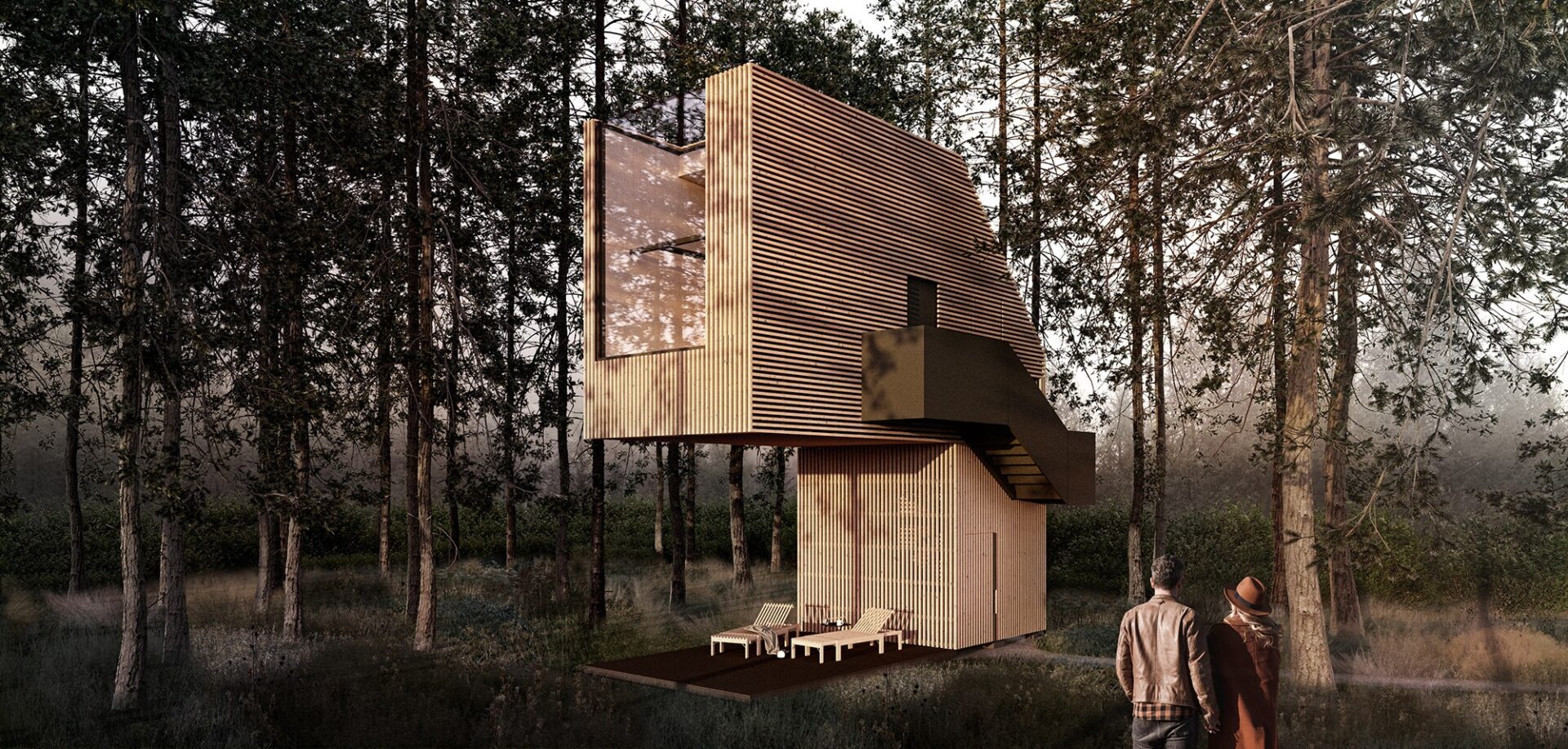
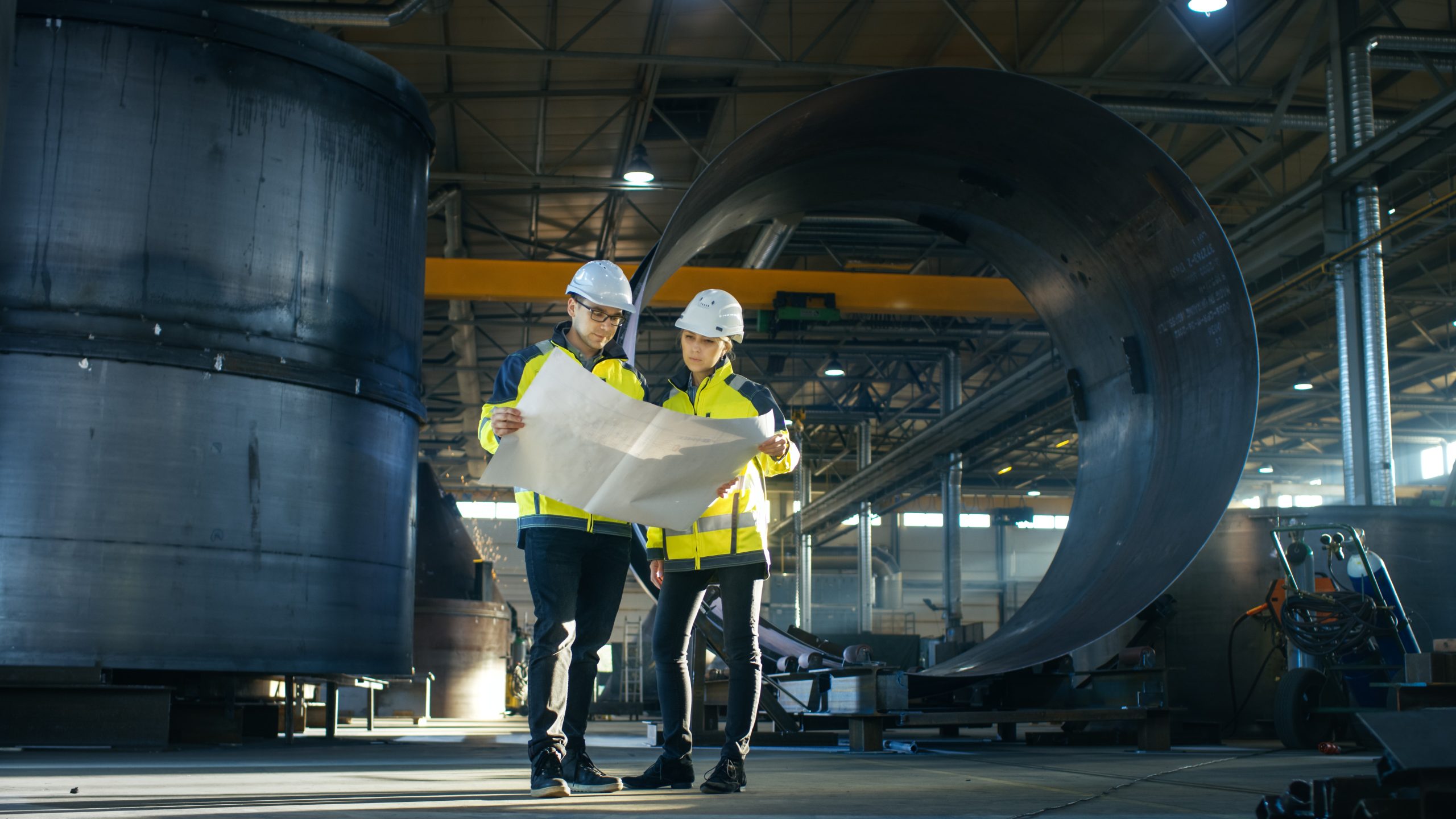
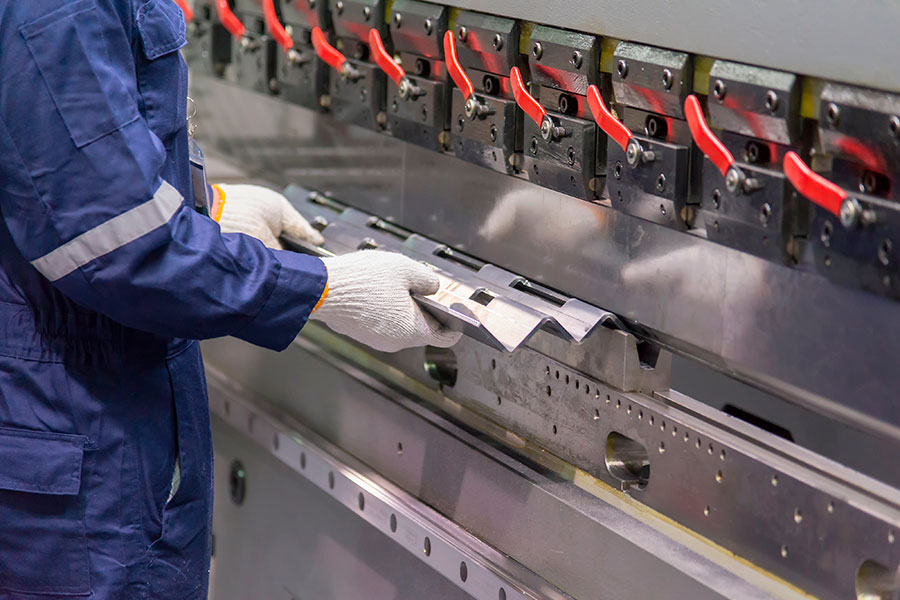
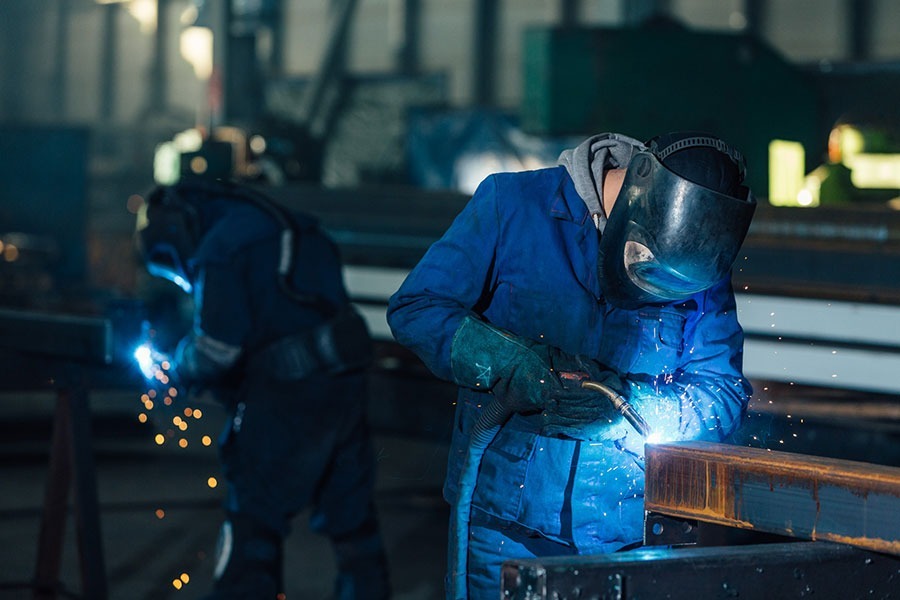
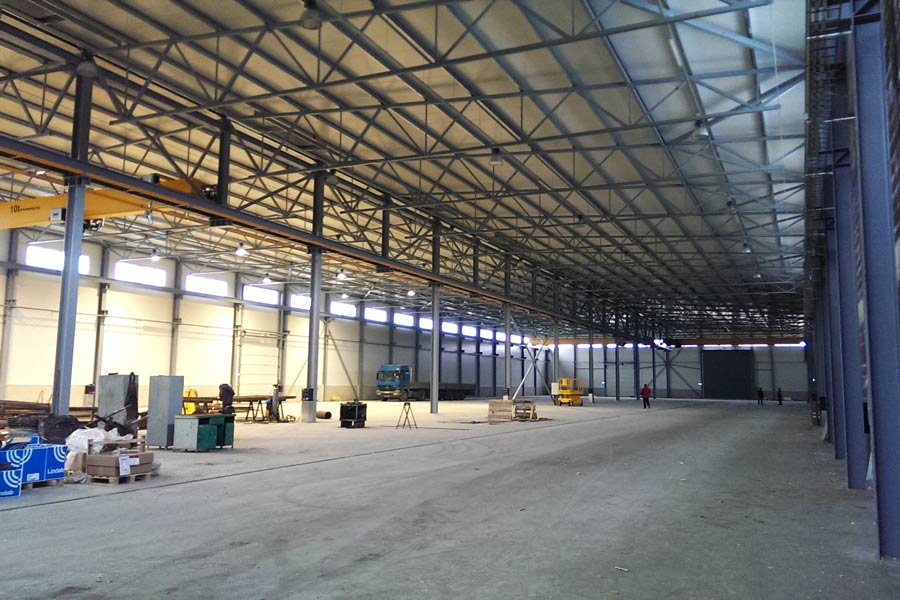
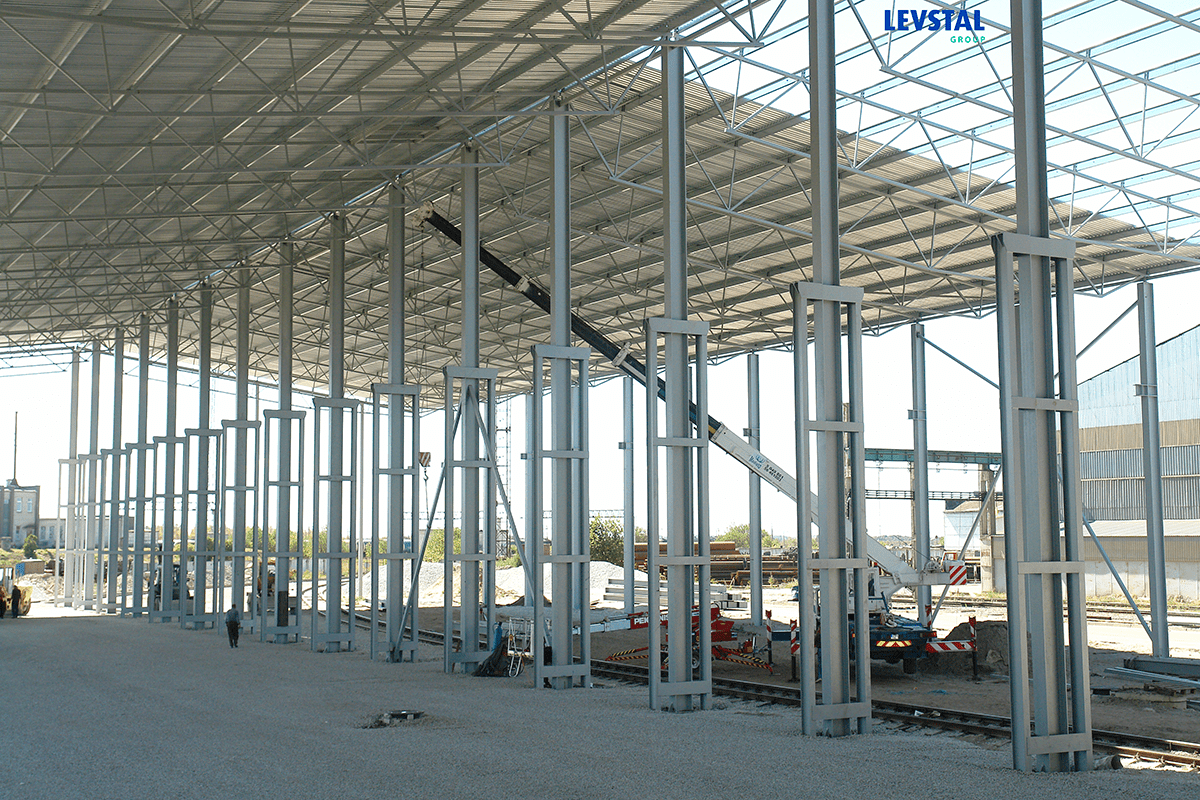
Factory-made constructions guarantee materials in good conditions and respect of procedures, hence greater quality of the final product.
Modern Modular Housing: Dream or Reality?
May 13 2021
|
updated on October 14 2026
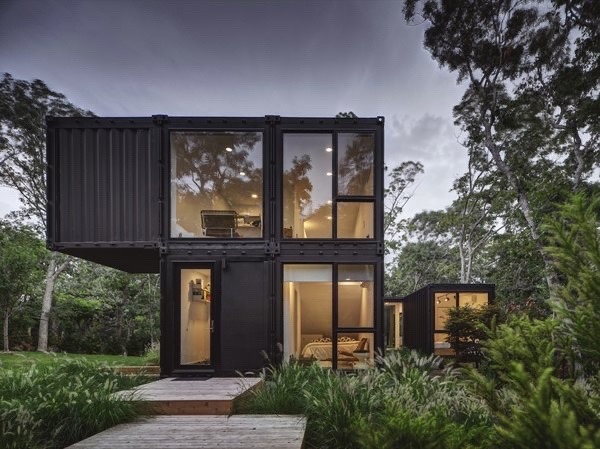
Over the course of the years, the way modular homes are designed and manufactured has changed considerably. The introduction of new materials, machines, technologies, made it possible to build houses in a controlled environment in a fraction of the time and at a lower cost.
What does modular mean?
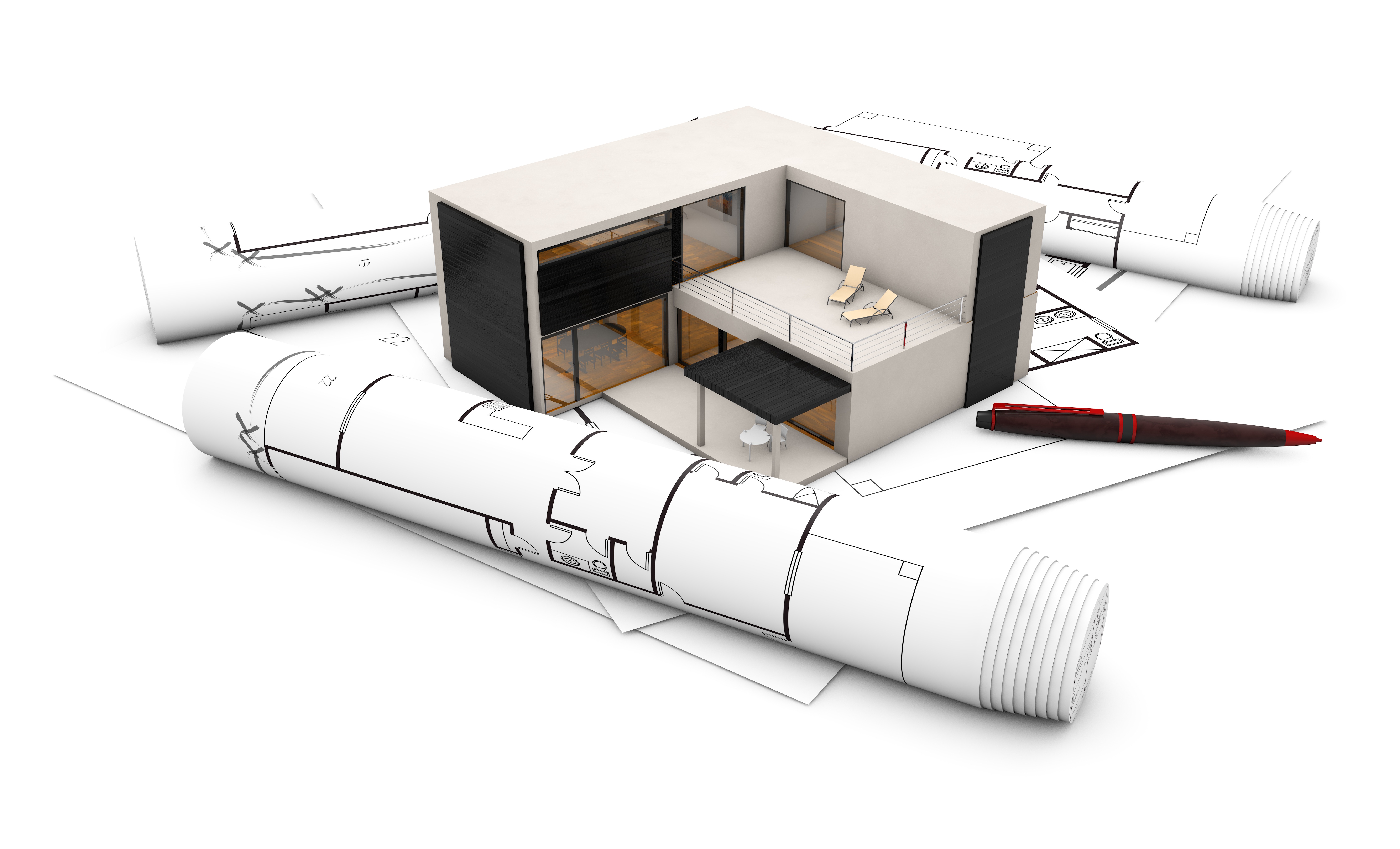
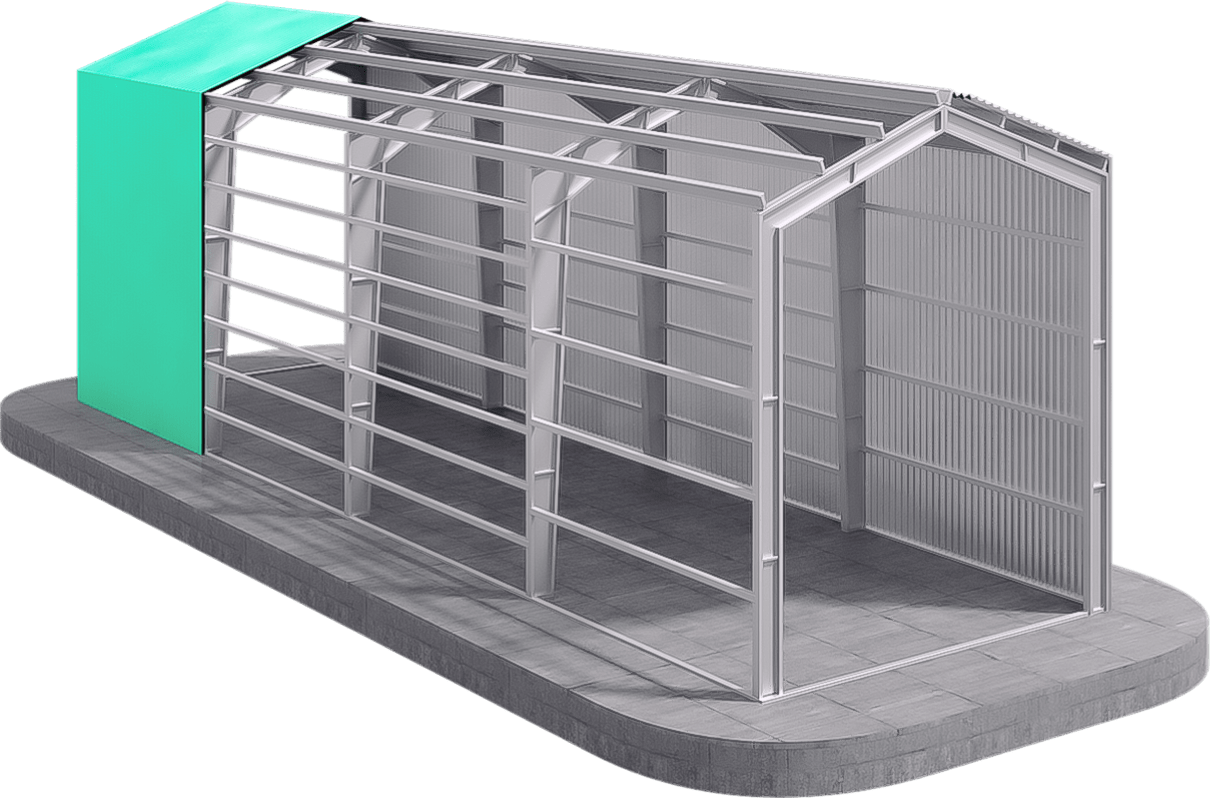
Modular constructions are assembled on-site using prefabricated building blocks called “modules”.
It is important to start by clarifying the wording because, depending on location and context, “modular” can have different meanings.
In general, modular design identifies a particular approach where a component of given measures is used multiple times in different configurations. Note that this does do not state the item in question should be prefabricated.
In broader terms, modular indicates something that can be expanded if necessary, by simply adding more modules. It is the case of modular electronics systems and modular software that come with easy-to-add plugins.
In the prefab housing industry, “modular house” generally means a house in which structure and interiors are entirely manufactured in a factory and shipped on-site as a series of ready-made boxes.
The main advantage
01
Quality
02
Ecological
Modular buildings have a lower carbon footprint because there are fewer lorry deliveries to the site, cutting emissions. People living nearby are also less affected by noise, pollution and disruption.
03
Innovative
The introduction of new materials, machines, technologies, made it possible to build modular houses in the best quality, controlled environment and in a fraction of the time.
04
100 % standardized
100 % standardized, in which the necessary blocks are articulated in the factory, which adds the materials necessary to obtain the desired acoustic and thermal insulation.
05
Design flexibility
Design flexibility allows for modular construction to be used for a range of housing types, including both single and multi-family uses.
06
Quality/price comparison
A quality/price comparison shows that prefabricated homes are much cheaper than traditional homes.

More than 30 years of experience

20 000 m2 steel manufacturing workshop

All from engineering to installation

Lifting capability: up to 100 tons

Gates: 6.5 m x 6.8 m

ISO EN 9001, EN 1090 - EXC3, ISO 3834-2, PED 2014/68/EU, ISO 45001

5s lean manufacturing tool

Top export countires — Germany, Finland, England, Denmark, Norway, Sweden, Holland
Reference in
Construction, Energy, Pulp&Paper, Wood Processing, Agriculture, Marine