Metal and Steel Roof Trusses: Types, Advantages and Drawbacks
Introduction to steel roof trusses
Rafter framing is one of the most important parts of any building out there. The most traditional rafter framing/roof structure out there is the one made with timber, since it is both the oldest and the most popular steel roof material by far. While it is the most popular material for a roof structure, it is not the only possible option on the market.
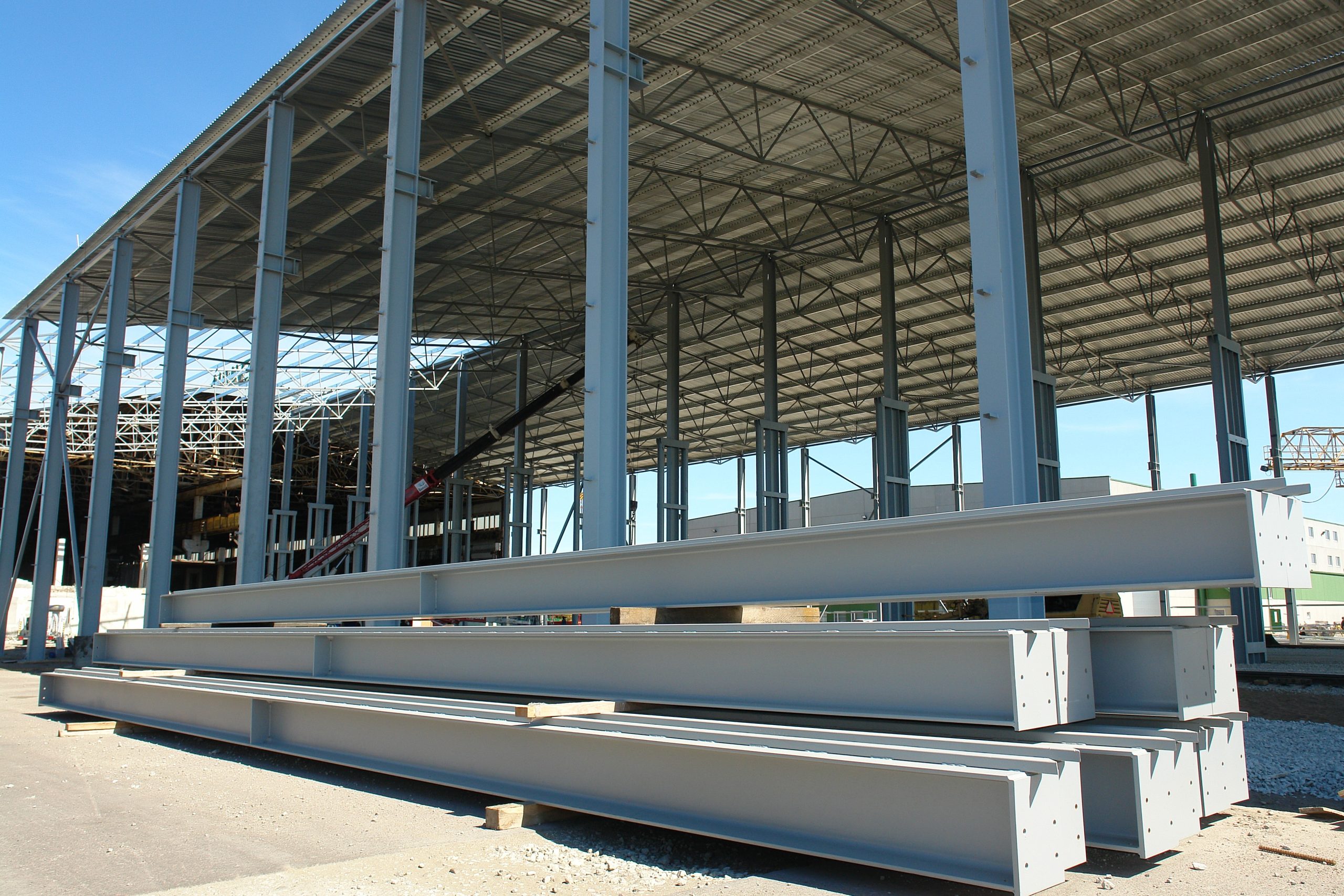
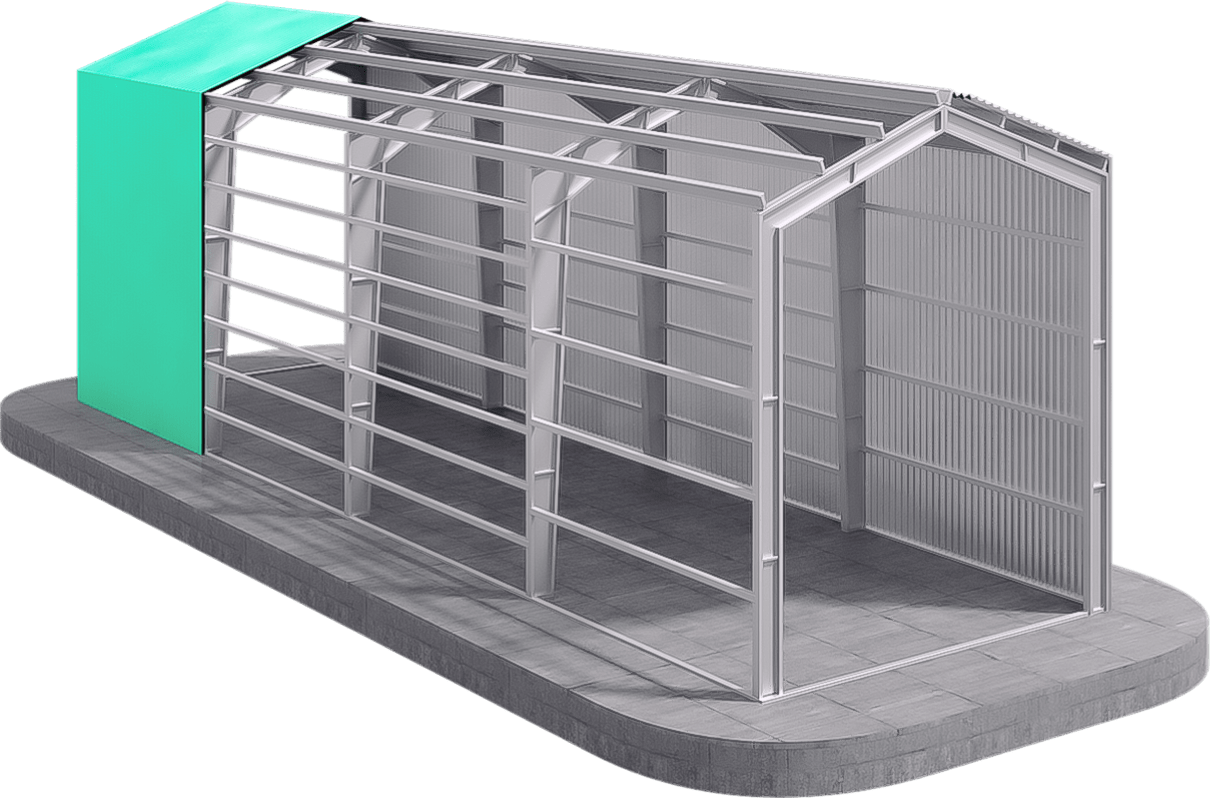
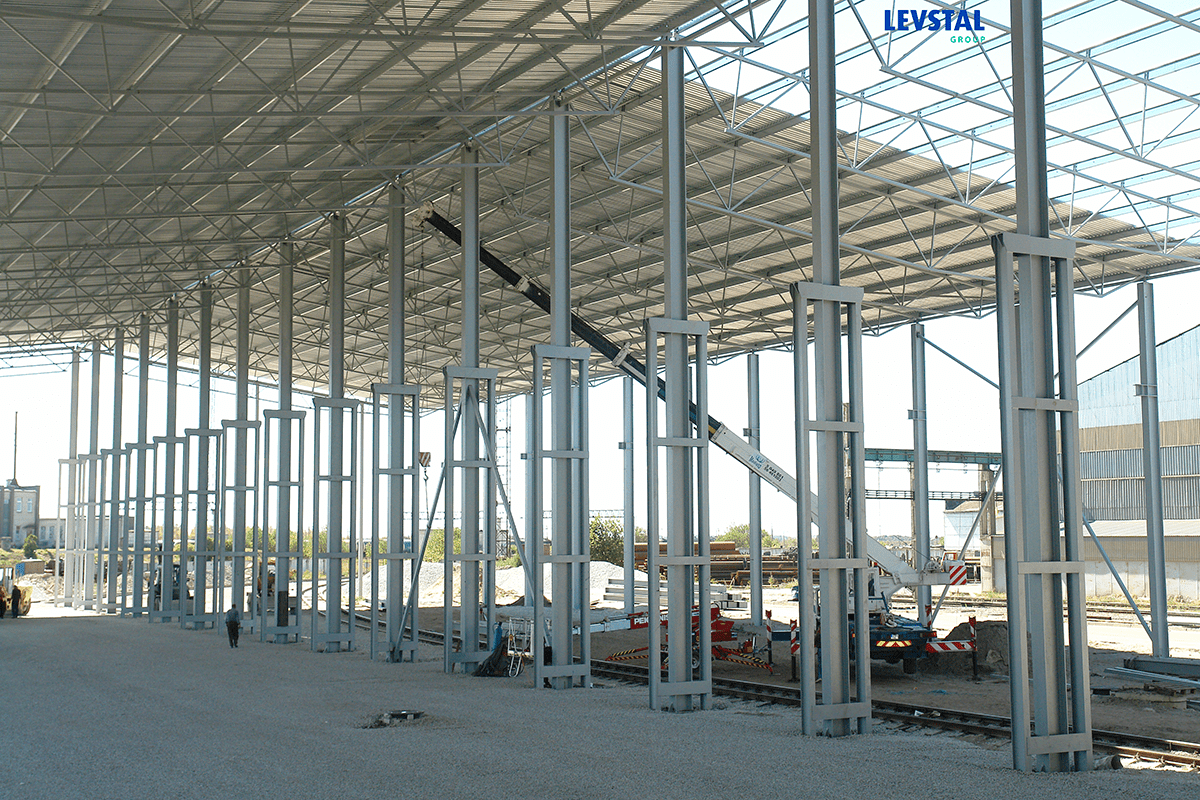
Steel turned out to be a surprisingly good alternative to timber, which is why it is now a great alternative to timber in several different situations. A steel roof truss is the #1 option for buildings and other structure types that are already based on steel frames. Another use case for steel roof trusses is all about cases that deal with roof rebuilding efforts – especially when a flat roof is transformed into a pitched one.
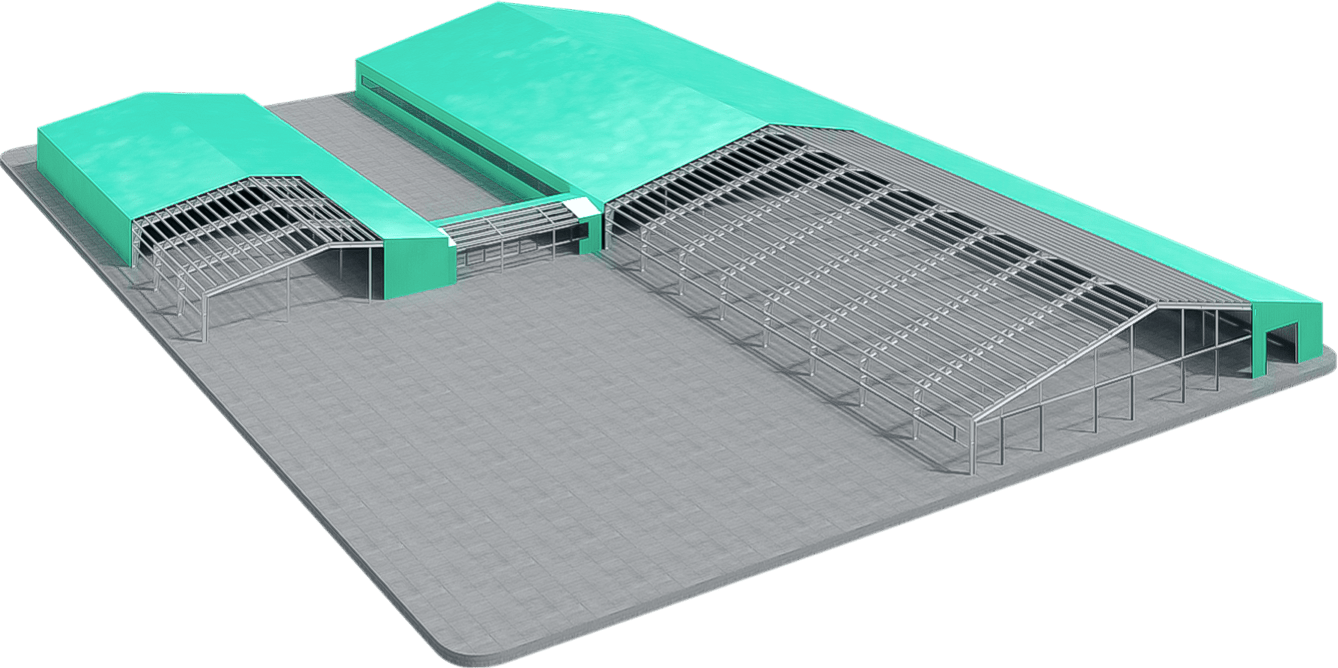
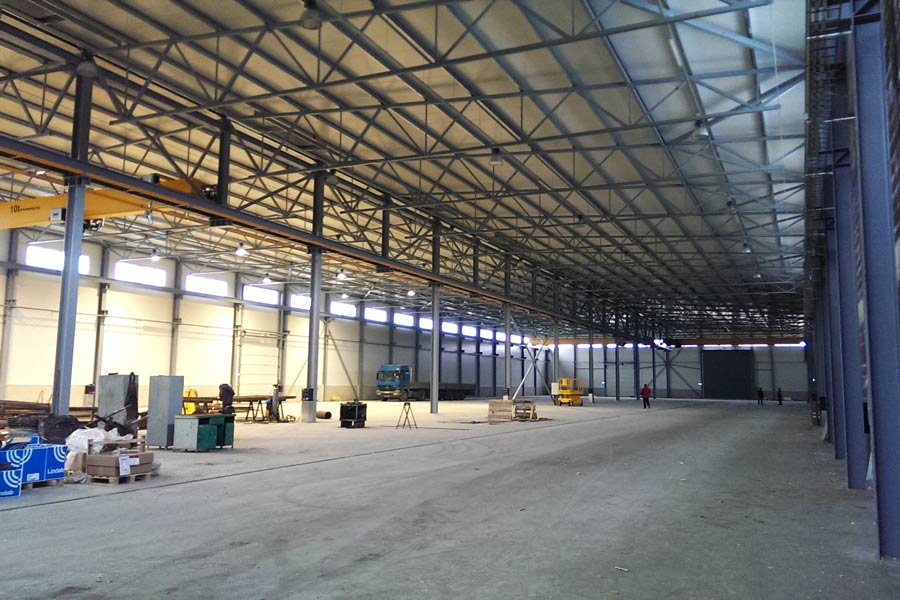
A lightweight steel structure is great for these cases since it does not put too much of a strain on the existing building structure – walls, ceilings, and so on. At the same time, steel roof trusses are relatively common in various wide-span structures, including supermarkets, hangars, warehouses, and so on.
Steel roof trusses are working by the same logic as most steel structures – they are purchased as a finished product, in accordance with all of the necessary design choices and modifications. Steel roof installation is usually offered by the same companies that produce these structural elements in the first place – creating steel roof trusses in semi-assembled form, delivering them on-site, and then putting everything together.
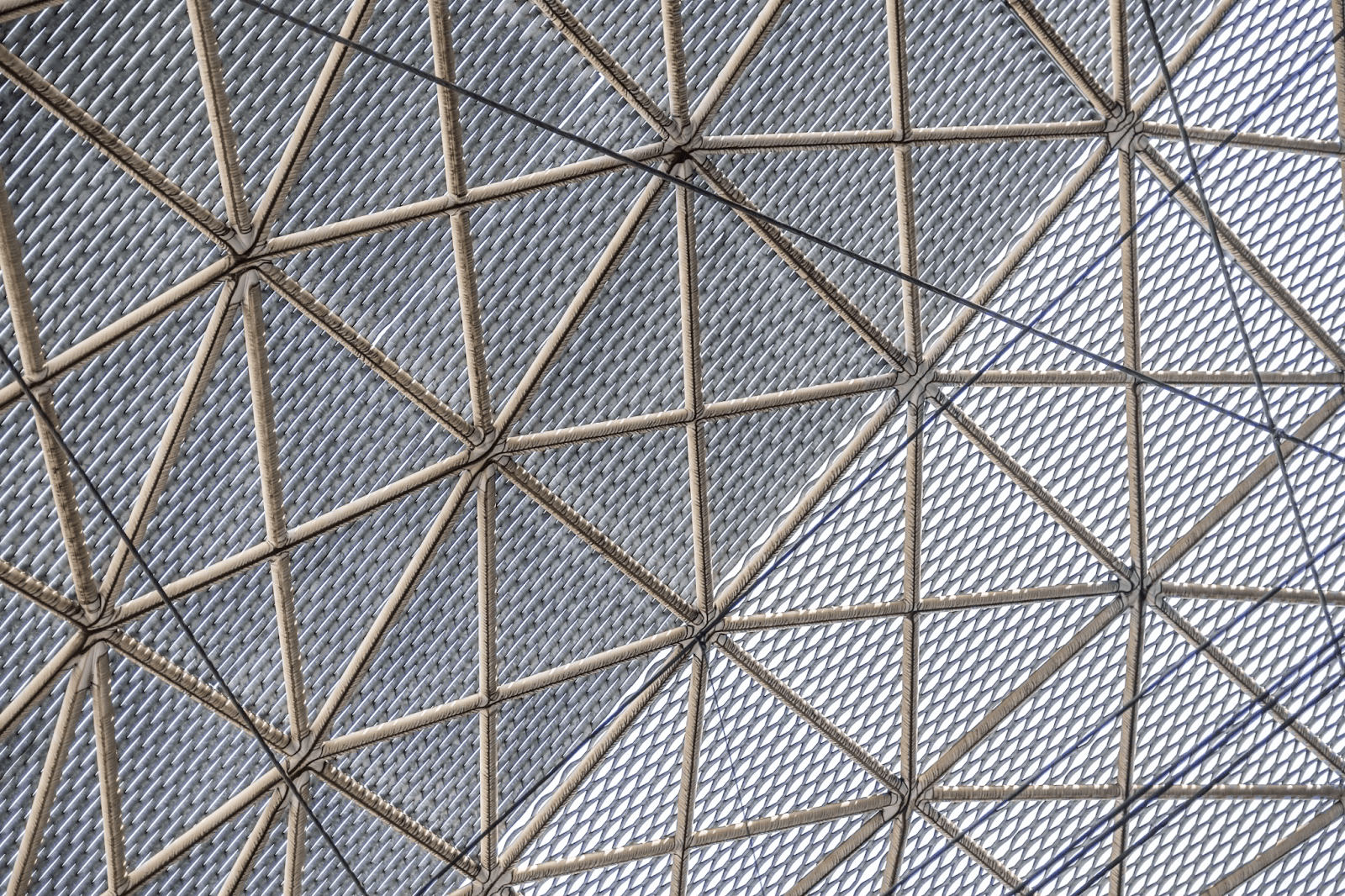
Advantages and shortcomings of steel roof trusses
It would be easy to list all of the advantages and disadvantages of a steel roof truss as a structure type, but it is also possible to do the same by comparing a steel roof truss to its main competitor – a wood(timber) roof truss.
Price
For example, while steel itself was often deemed rather expensive, the existing manufacturing techniques evolve on a regular basis, making steel less and less expensive on a regular basis. Alternatively, timber has always been rather cheap as a material, but it is also influenced by a lot of different factors that can drastically increase the price of a regular timber roof truss on short notice.
Designated house types, strength and lifetime
Unlike steel trusses, timber is more suitable for various residential buildings of relatively small size, such as family warehouses, single-family homes, and more. Steel as a material is far more durable than timber in any of its forms, and a steel roof truss is expected to last from 50 to 70 years with little to no maintenance, while the maximum possible time of life for a timber truss is 30 years. Steel’s strength-to-weight ratio is far higher than wood, as well.
Vulnerabilities
Both steel and timber have their own vulnerabilities as materials, with timber being susceptible to rot and insect infestations and steel being affected by high temperatures. At the same time, timber has more resistance to fire and heat in general, and steel is resistant to both rot and insect infestations.
Installation speed
Steel can be somewhat more difficult to install as a whole when compared with timber, although a professional installation team is capable of reducing that difference to a minimum. However, steel is also easier to deliver and install due to its prefabrication ability.
Recyclability
And last, but not least, is the recyclability of these materials. Steel as a whole is a completely recyclable material, and that also includes steel roof trusses. Timber, on the other hand, can only be recycled if it is clean, while painted, stained or contaminated timber elements are not usable in terms of recycling whatsoever.
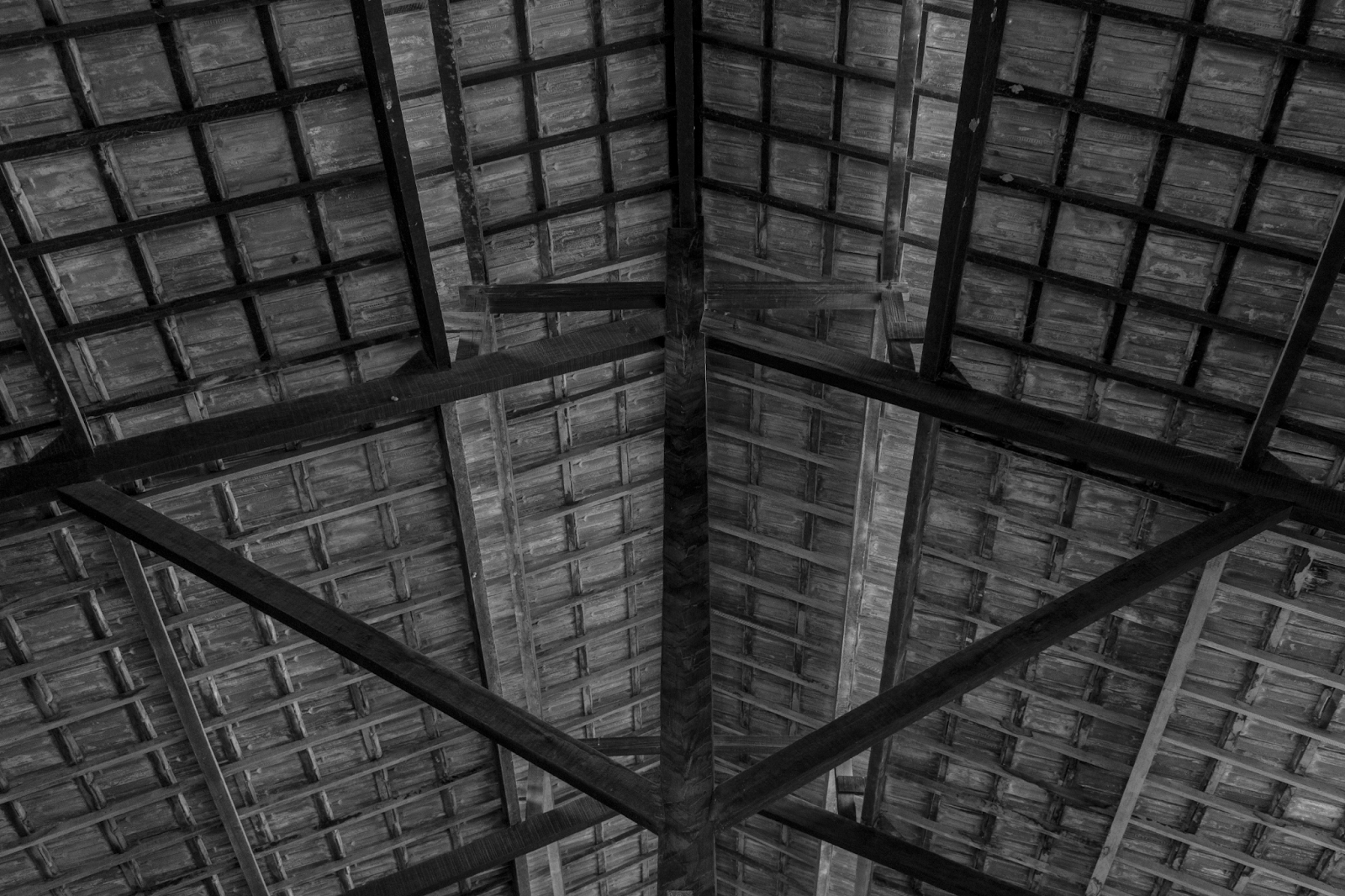
Steel roof truss types
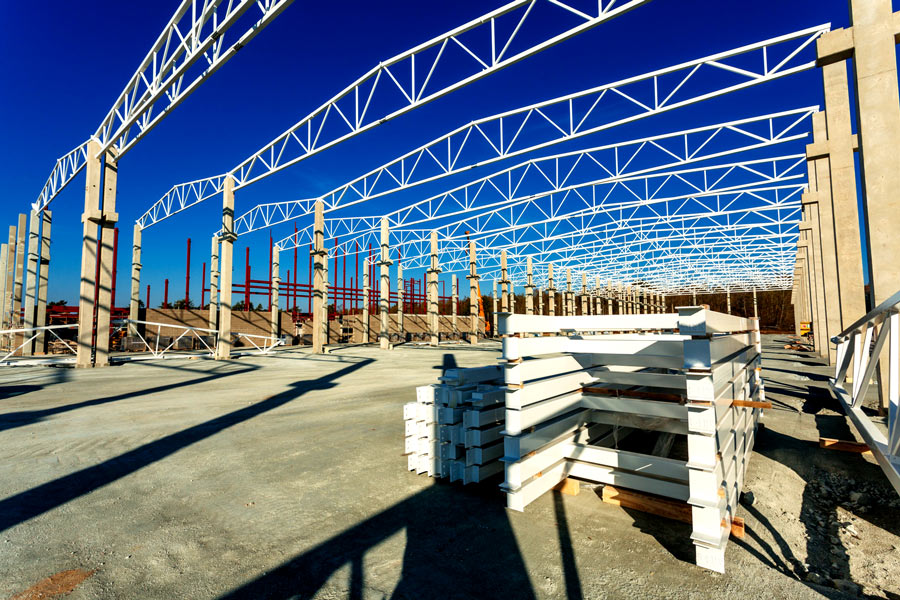
There can be many different metal roof truss types, depending on either specific elements of the structure or the overall geometry of the metal roof truss as a whole. Since most of these roof trusses are used to provide horizontal stability and to carry the load of the entire roof, we can focus on showcasing five main types of roof trusses:
Pratt truss
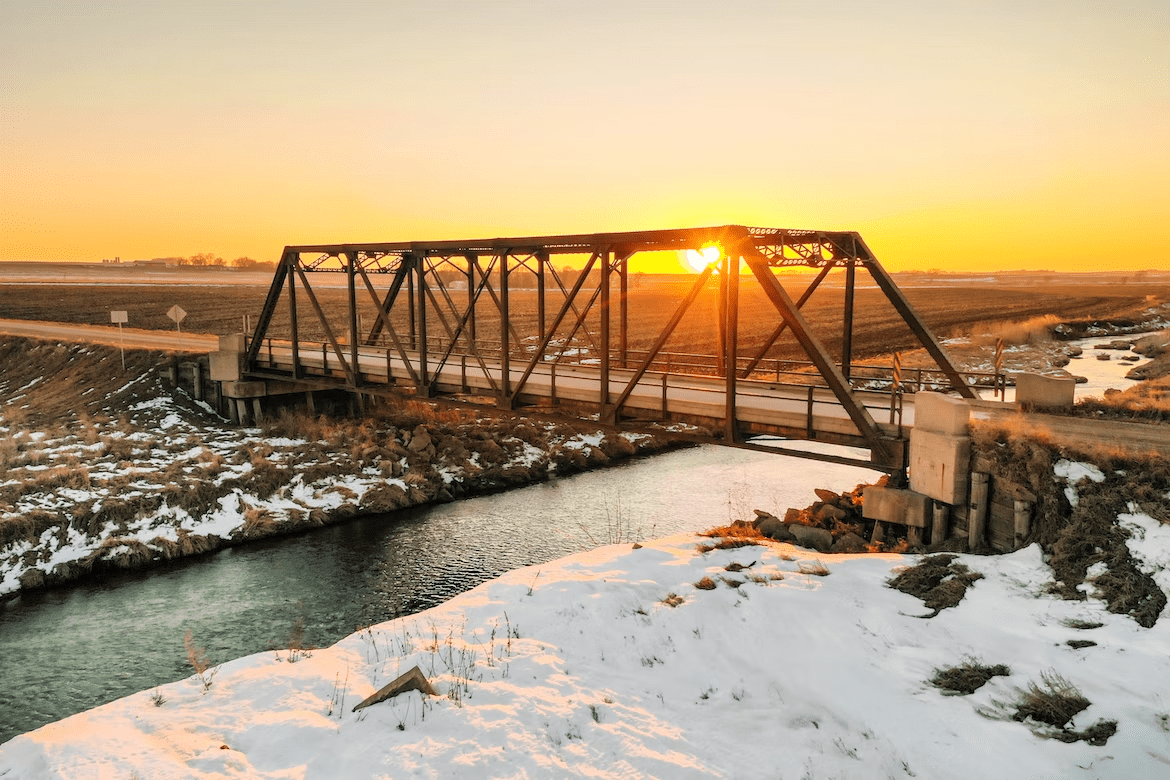
– a type of truss that uses diagonal members in tension and vertical ones in compression. One of the most popular variations of a metal roof truss that has been around for over two hundred years and can be up to 100 meters long.
North light truss
– another example of an extremely old truss type, but this one is at its best for smaller roof spans in workshops and similar building types. Each north light truss is a number of elements connected to girders, with a steeper pitch using glazing to reduce solar gain and the other portion of a truss being positioned perpendicular to the aforementioned steeper part for larger column-free spaces.
Fink truss
– one more example of a popular truss type, but this one’s elements are shaped like a letter “W”, which gives a massive amount of strength with low material consumption, a great solution for roofs with spans from 5 to 9 meters. It covers the majority of domestic use cases in the modern day as one of the most cost-effective metal roof types by far.
Warren truss
– uses a multitude of inverted triangle-shaped spaces using angled cross-members and longitudinal members. Each part of the truss can only be subject to either compression or tension forces, and there are no torsional or bending forces involved whatsoever.
Sawtooth truss
– A north light truss variation that uses the same idea of one truss being the steeper one and the other being placed perpendicular to the other truss part, but this one uses several triangle-shaped structures like these to form one roof (typically for multi-bay buildings).
Conclusion
A steel roof truss is a doable alternative to timber roofs with a large number of advantages and few shortcomings. There are also multiple different types of these metal roof trusses, which means that it is possible to find a roof truss type that would be the most suitable for a very specific building, be it residential, commercial, industrial, etc.


Reference in
Construction, Energy, Pulp&Paper, Wood Processing, Agriculture, Marine